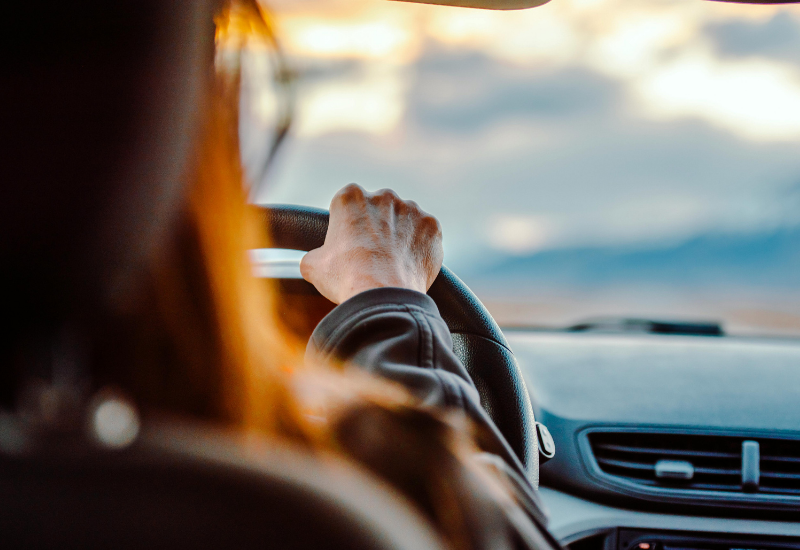



I've always understood that drivers ease off when the demands on them rise, slowing down to buy themselves time.
So when I heard of a new US study from the IIHS (Reagan et al., 2026), analysing nearly 600,000 real-world trips, it made me stop.
Drivers were using their phones more the further over the limit they went, especially on high-speed roads. On freeways, handheld phone use rose about 12% for every 5 mph over the limit, with the strongest link on the fastest roads.
Importantly, this was observed in free-flowing traffic only, not during the time the driver spent stopped or crawling in congestion. That's where earlier research had found most phone use.
At first, it felt like the findings seemingly contradicted what I thought I knew. As the demands climb, you'd expect a driver to be easing off and giving themselves more time, not drive faster.
But the more I read, the more it made sense. This isn't a failure of what I understood. It's about how drivers interpret the situation in front of them.
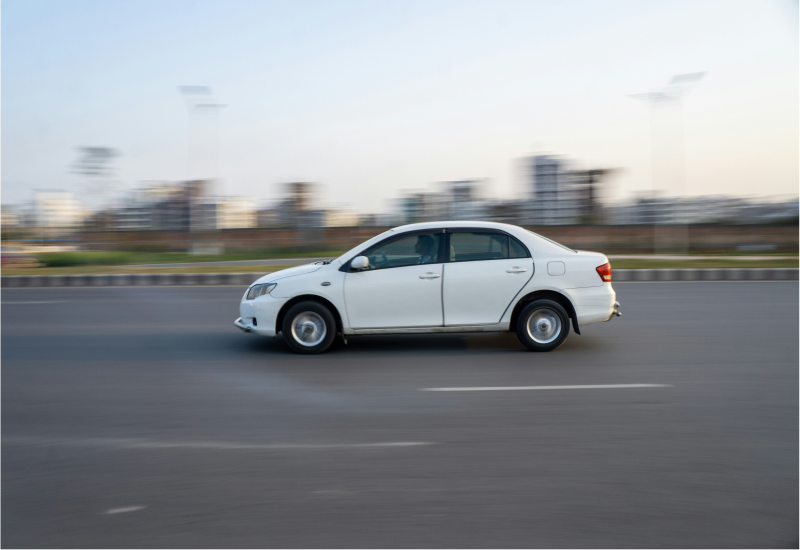
Think about a typical freeway environment. High speed limit, wide lanes, good sightlines, entry and exit points controlled by ramps, and likely a hard shoulder creating space. To a confident driver, very little about the environment appears risky.
And it's that perception that is doing most of the work. Drivers aren't responding to the actual demands of driving, they're responding to how demanding the road feels. And on a freeway, it feels easy to them.
Once they've made the judgement that this is low effort and they've got spare capacity, they start to use it. The speed creeps up and the phone comes out. Maybe it's just a glance, maybe a quick interaction. It feels manageable because the environment is feeding their confidence.
The researchers talk about a couple of contributors here. Some drivers are simply more willing to take risks across the board, and that tendency likely helps explain why speeding and phone use occur together.
But the factor that stands out to me is road cues. The road itself is signalling that nothing much is required from the driver, and that's where the misjudgement begins. Drivers start to over-estimate both their ability and their environment. They become miscalibrated.
The moment the phone comes into play, though, the task changes completely. You're no longer just driving. You're dealing with visual distraction (eyes off the road), manual distraction (hand off the wheel), and cognitive distraction (your mind is now somewhere else).
Even if the road hasn't changed, the demands on the driver have. And just because you feel like your workload is low doesn't mean that it is.
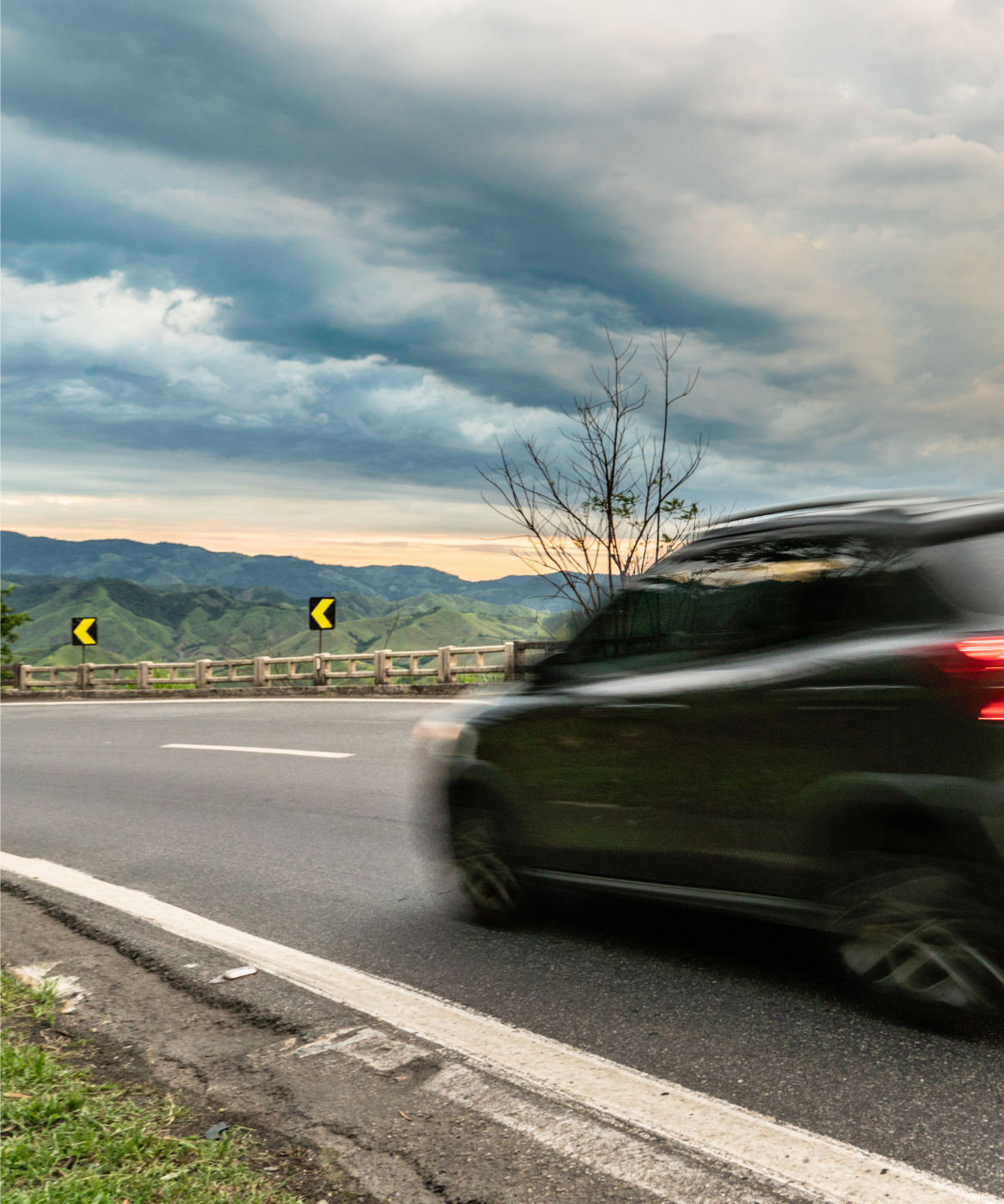
The other piece that often gets overlooked is the cost of a glance. At freeway speeds, the numbers are unforgiving. At 80 mph you're travelling roughly 117 feet every second. Look at a phone for two seconds and you've covered roughly 235 feet without looking at the road.
In that distance, traffic conditions can change entirely: lane changes, vehicles appearing in gaps or braking, with the distracted driver reacting late to all of it.
The research found that the higher levels of phone use are happening at the higher speeds, where the margin for error is smallest. That's exactly where stopping distances are longest, impact energy is highest, and each glance carries the greatest cost.
Drivers think they're managing the situation. In reality, they're managing how safe it feels. And that feeling is often strongest on exactly the roads where the room for error runs lowest.
-Craig Cockerton
.png)