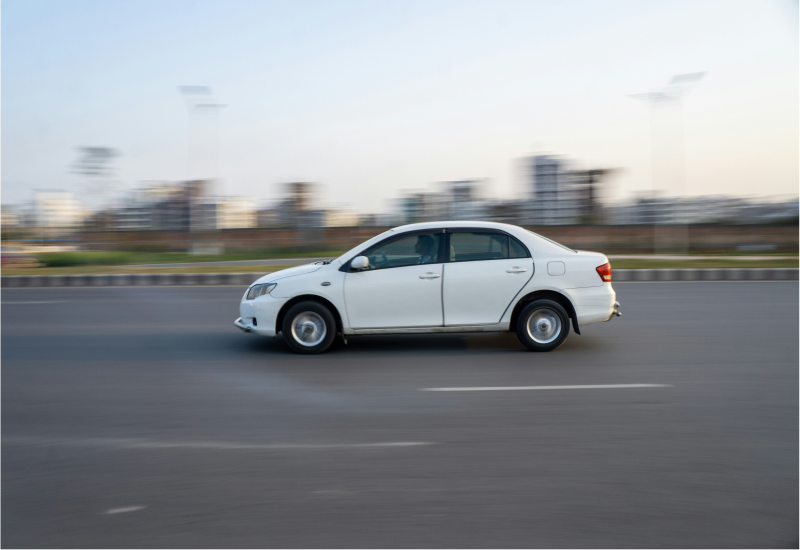




When we're distracted, we can still look directly at something and not register it at all. It's often described as "looking without seeing": the eyes are doing their job, but the brain is somewhere else.
The problem with distraction is that it doesn't feel like a problem in the moment.
The risk most drivers underestimate
There are plenty of things seen as dangerous on the road: weather, traffic, other drivers. They're visible. You can see them, react to them, and respond. Distraction sits differently. It cuts across all of them, and it's there regardless of where you're driving or how experienced you are.
And it doesn't just reduce performance slightly. When attention is pulled away, drivers can miss critical information completely.
This isn't about slower reactions or small errors. Distraction doesn't just slow you down, it can erase what you just saw. That's why it's so often involved in crashes.
It's not just phones
Phones get most of the attention, and for good reason. Even hands-free conversations can pull attention away from the driving task.
But stopping there misses the bigger problem. Distraction can come from multiple sources, but the underlying issue is the same: attention is limited.
A conversation, noise inside the vehicle, eating, stress from earlier in the day, even thinking about something unrelated to driving. Different causes, same outcome: attention shifts, and awareness drops.
What your drivers actually need
This is where many organisations don't go far enough. Policies often focus on obvious risks, like mobile phones, and assume that covers distraction.
But your drivers are dealing with something broader. They're managing attention in real time, in a moving environment, often carrying the mental load of the rest of their day.
That's why telling them to "put the phone down” and "pay more attention” doesn't work. Distraction isn't a willpower problem. It's a human limitation.
The shift comes from helping drivers understand how attention works, where it breaks down, and what they can do about it. In our Distraction & Inattention course, that means:
- Understanding why "looking" isn't the same as "seeing"
- Recognising different types of distraction in real driving situations
- Identifying personal triggers
- Learning practical ways to reduce or manage them
- Committing to one change they'll carry into their next drive
It's not about removing all distraction. It's about helping drivers notice it sooner and respond before it turns into a missed hazard.


.png)